Why a Written Medication Plan Matters More Than Memory
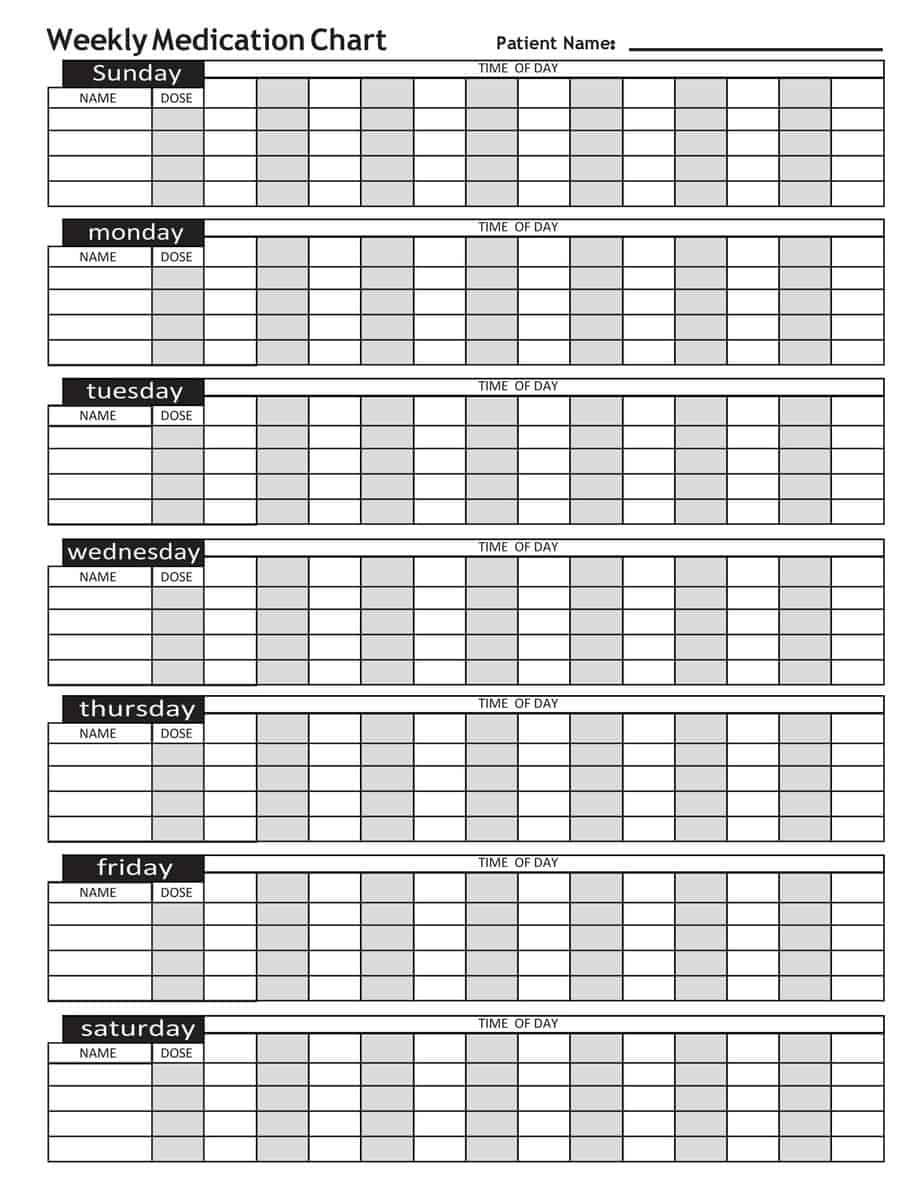
Missed doses and accidental double-dosing are two of the most common medication mistakes, and both are largely preventable with a properly kept medication schedule template. A medication schedule is a document used to record day-to-day medication along with its effect on a person’s health over a given period, and it becomes especially important when someone is managing more than one prescription at a time. A medication schedule template gives caregivers, patients, and healthcare professionals a single, reliable place to track what was taken, when, and in what dose, removing the guesswork that memory alone simply cannot handle reliably. Nurses, home caregivers, and patients managing chronic conditions all depend on this same basic structure because the underlying risk never changes: a missed or duplicated dose can have real consequences, and a documented medication schedule template is one of the simplest tools available to prevent it.
What Belongs on a Complete Medication Record
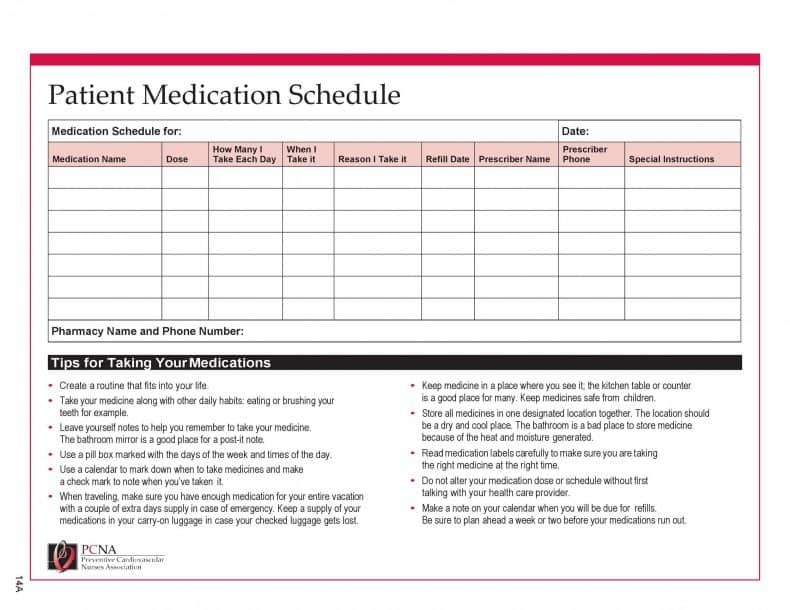
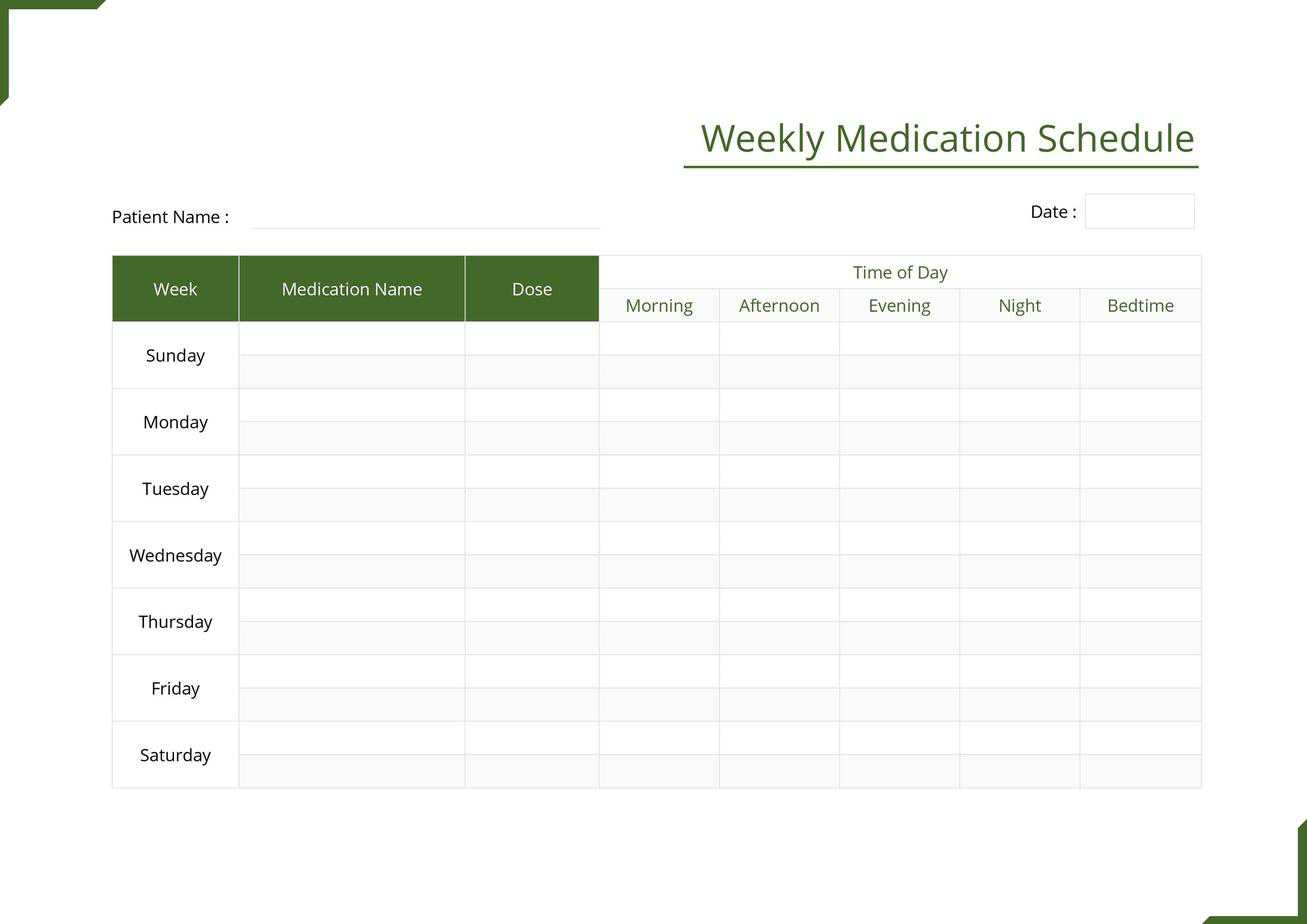
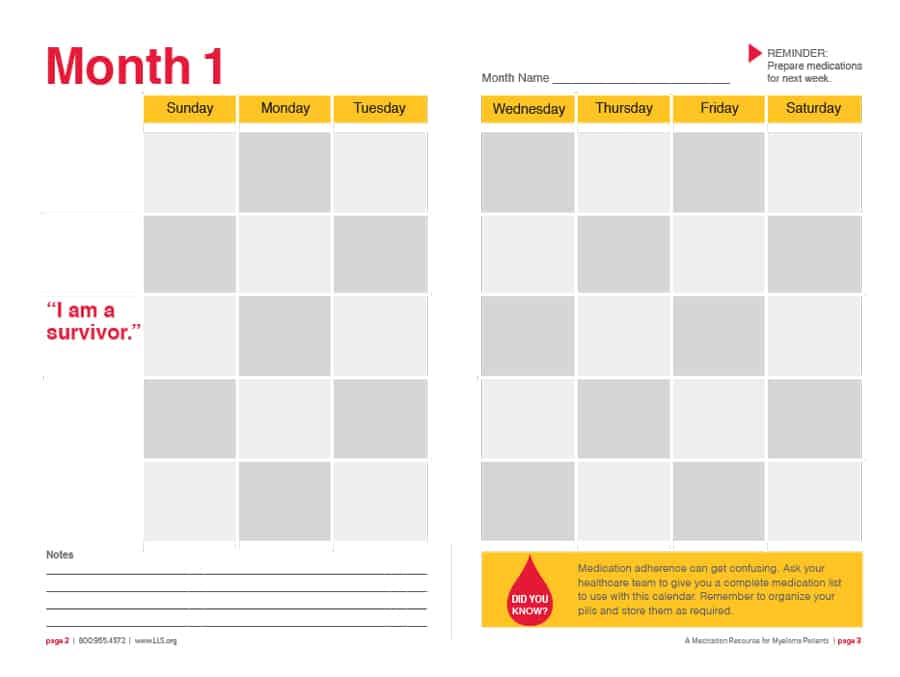
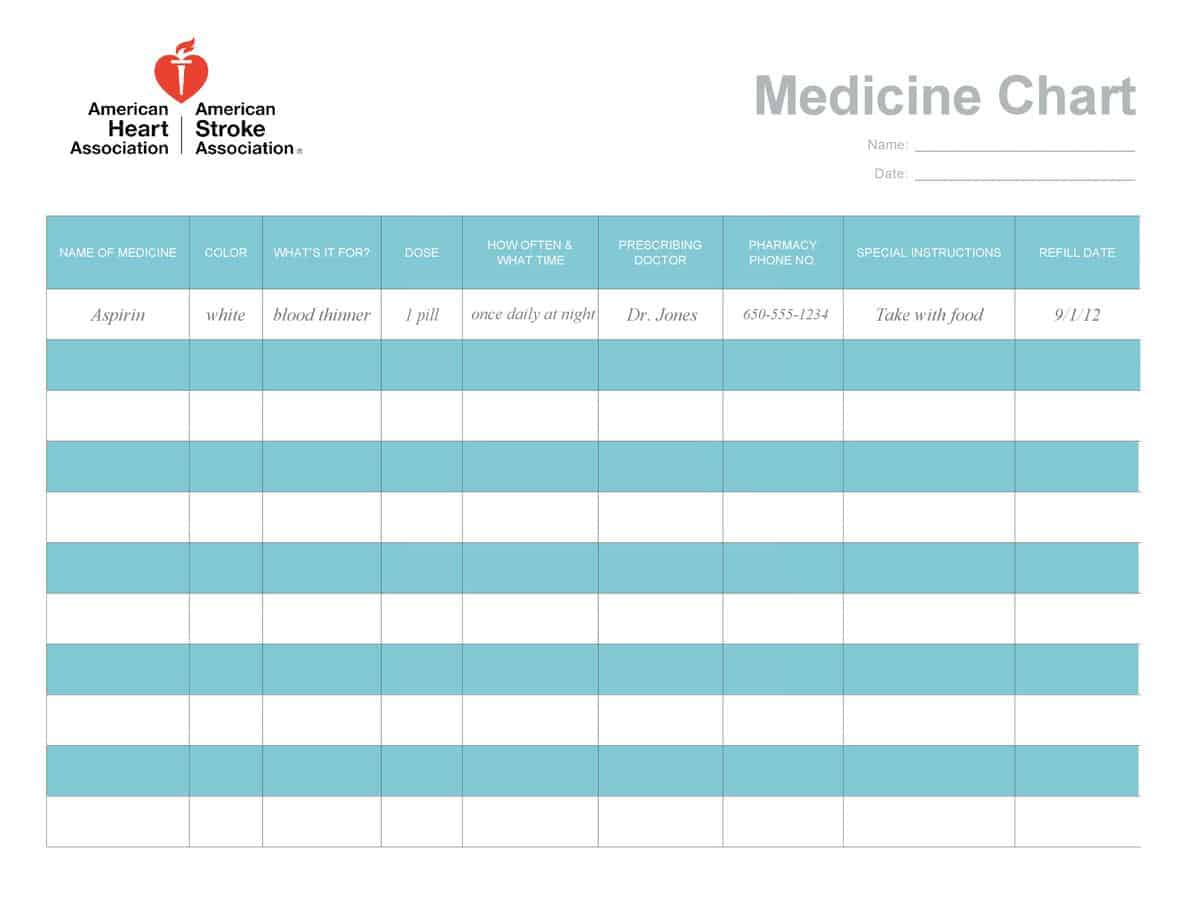
A properly filled-out medication schedule template tracks far more than just a pill name — it records the exact dosage, the time interval between doses, the prescribing doctor, and any notes about side effects or how the medication is being tolerated. This level of detail matters because it lets a caregiver or the patient themselves glance at a single chart and know exactly what has been taken and what is due next, rather than relying on a fading memory of when the last dose happened. A medication schedule template is especially valuable for anyone managing medication on behalf of another person, since it creates a clear, shareable record that any caregiver stepping in can follow without confusion or risk of error.
Setting Up Your Free Medication Schedule
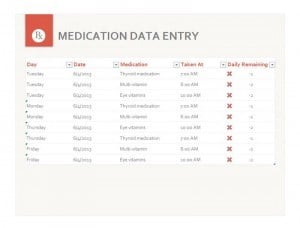
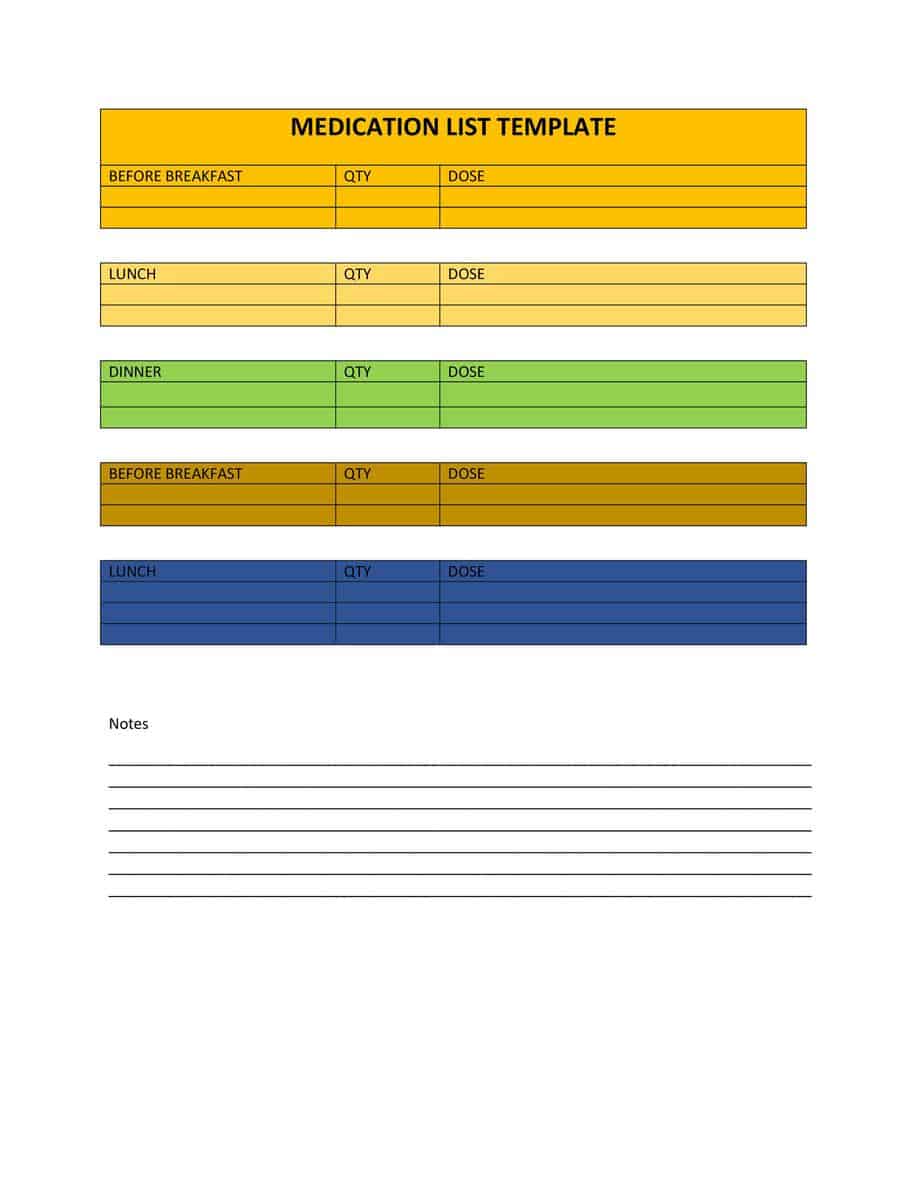
Putting a medication schedule template into daily use takes only a few minutes: open the file, list each medication along with its prescribed dosage and timing, and begin checking off doses as they are taken. Because the medication schedule template is fully editable in standard spreadsheet software, you can add columns for refill dates, pharmacy details, or a doctor’s specific instructions to match your exact situation. Many caregivers print a daily or weekly copy to keep near the medication itself, while others keep a digital version accessible on a phone for quick reference during the day. Once the habit of logging each dose immediately is established, this free template becomes one of the simplest ways to keep a medication routine accurate and genuinely safe.
Download Medication Schedule Templates:


-


-
Title: Medication Schedule Template Doc (2586 clicks)
Caption: Medication Schedule Template
Filename: medication-schedule-template-doc.xltx
Size: 63 KB

-

-
Title: 33medication schedule template FFFF (895 clicks)
Caption:
Filename: 33medication-schedule-template-ffff.docx
Size: 58 KB
-
-
Title: 33medication schedule template EEEE (893 clicks)
Caption:
Filename: 33medication-schedule-template-eeee.docx
Size: 92 KB
-

-
Title: medication schedule templateDDDD (788 clicks)
Caption:
Filename: medication-schedule-templatedddd.doc
Size: 68 KB
-
-
Title: medication schedule templateCCCC (870 clicks)
Caption:
Filename: medication-schedule-templatecccc.docx
Size: 41 KB
-
-
Title: medication schedule template BBBB (807 clicks)
Caption:
Filename: medication-schedule-template-bbbb.docx
Size: 442 KB
-
-
Title: medication schedule template AAAA (815 clicks)
Caption:
Filename: medication-schedule-template-aaaa.docx
Size: 38 KB
Frequently Asked Questions About the Medication Schedule Template
What information should a medication schedule template include?
At minimum, the medication name, dosage, time of day it should be taken, and the prescribing doctor. Many caregivers also add a notes column for side effects or special instructions such as taking a dose with food.
Is this template suitable for someone managing multiple medications?
Yes, it’s especially useful in that situation, since listing every medication together makes it far easier to spot a potential timing conflict or interaction before it becomes an actual problem.
Can a caregiver use this template for someone else’s medication?
Absolutely — many caregivers rely on a shared medication schedule template specifically because it creates a clear record that anyone stepping in to help can follow without confusion.
What file format does the medication schedule template come in?
It downloads as an editable file that opens in standard spreadsheet software, and it can also be printed for a physical copy kept near the medication itself.
How often should the medication schedule be updated?
Update it every time a dose is taken or a prescription changes. A medication schedule template is only reliable if it reflects what is actually happening in real time rather than an outdated plan.
Can this template help track medication refills?
Many users add a column noting the current supply and expected refill date, which turns the medication schedule template into a simple way to avoid running out unexpectedly.
Is the medication schedule template useful for elderly care specifically?
It is widely used in elderly care, where multiple prescriptions are common and a clear, documented schedule significantly reduces the risk of a missed or duplicated dose.
Should this template be shared with a doctor or pharmacist?
Yes, bringing a current medication schedule template to appointments can help a doctor or pharmacist quickly review what is being taken and catch a potential interaction that might otherwise go unnoticed.
Can the medication schedule template help with speedy recovery from illness?
Yes, taking medication consistently at the intervals a doctor prescribes is one of the biggest factors in recovery, and a documented schedule removes the guesswork that leads to missed or delayed doses.
What happens if a dose is missed?
Having a written medication schedule template makes it immediately obvious when a dose was missed, which makes it much easier to follow a doctor’s guidance on whether to take it late or skip to the next scheduled time.
Can this template be used for pet medication as well?
Many pet owners adapt the same layout to track a pet’s medication schedule, since the underlying need to record dosage and timing accurately applies just as well outside human healthcare.
Is a printed or digital medication schedule better?
Many caregivers keep both — a printed copy taped near where medication is stored for quick reference, and a digital version that can be updated and shared instantly with other caregivers or family members.
Can the medication schedule template track over-the-counter medication too?
Yes, listing over-the-counter medications and supplements alongside prescriptions gives a complete picture of everything being taken, which is important information for a doctor to have during any appointment.
Who should be responsible for updating the medication schedule?
Whoever administers the medication, whether that’s the patient themselves or a caregiver, should update the schedule immediately after each dose, which keeps the record accurate in real time rather than relying on memory afterward.