Why Electrical Panels Need a Documented Schedule
Managing electrical load without a written record is one of the fastest ways to end up with an overloaded circuit, which is exactly the risk a panel schedule template is designed to prevent. A panel schedule displays information about the panel itself, the circuits connected to it, and the load summary across the whole system, functioning as an essential tool for measuring circuit load whenever a project is being planned. A panel schedule template plays a genuinely important role in maintaining a fluent, safe electric supply to a building or house, since short circuits and other electrical issues most often trace back to a panel whose load and circuit assignments were never properly documented in the first place.
What a Complete Panel Schedule Actually Records
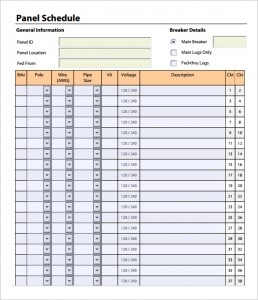
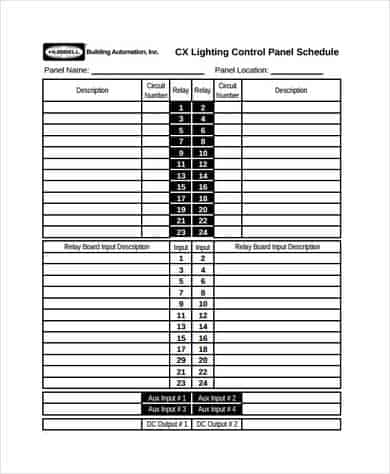
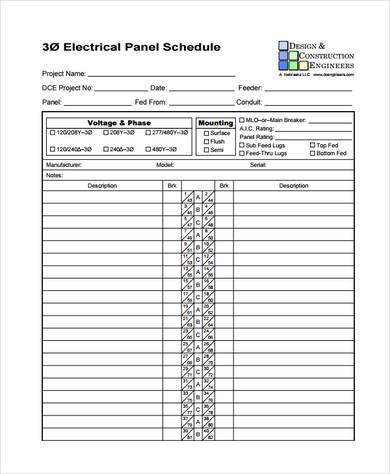
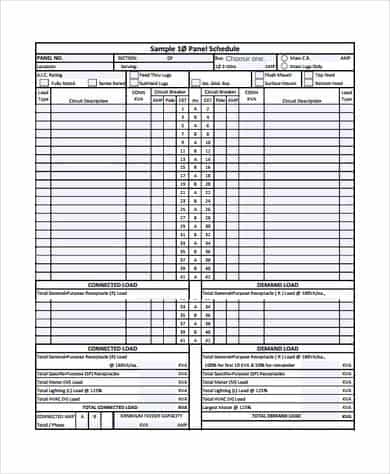
A panel can be described as a collection of branch circuits feeding system loads, and project managers rely on a panel schedule template to measure the exact voltage running through each one. A properly filled-out panel schedule template provides a user-friendly structure with suitable default values and built-in electrical information, which is exactly what makes it possible to produce an accurate panel schedule without needing to be an electrical engineer to get the layout right. This level of detail matters because it lets an electrician or project manager glance at a single document and know exactly how load is distributed across every circuit in the panel.
Editing the Template for Your Own Electrical System
Putting a panel schedule template to work requires downloading it to your computer and editing it in Microsoft Excel, where every default value and field can be adjusted to match your specific electrical system. Because the panel schedule template is fully editable, it can be customized for residential, commercial, or industrial panels alike, adapting easily to however many circuits and load categories your particular project requires. This elegantly designed panel schedule template is completely free to download, with no extra requirement standing between you and a properly documented electrical panel.
Download Free Panel Schedule Template:


-


-
Title: Panel Schedule Template pdf (13903 clicks)
Caption: Panel Schedule Template
Filename: panel-schedule-template-pdf.pdf
Size: 64 KB


-

-
Title: Lighting-Panel-Schedule-Template BBB (2281 clicks)
Caption:
Filename: lighting-panel-schedule-template-bbb-2.zip
Size: 50 KB
-
-
Title: Electrical-Panel-Schedule-Form AAA (3602 clicks)
Caption:
Filename: electrical-panel-schedule-form-aaa-2.zip
Size: 52 KB
-
-
Title: Single-Phase-Panel-Schedule-Template CCC (3739 clicks)
Caption:
Filename: single-phase-panel-schedule-template-ccc.zip
Size: 223 KB
Frequently Asked Questions About the Panel Schedule Template
What should a panel schedule template include?
At minimum, each circuit number, its assigned load, the breaker size, and a description of what the circuit serves. Many electricians also note the phase and voltage for each circuit to keep the panel fully documented.
Who typically uses a panel schedule template?
Electricians, project managers, and building inspectors all rely on it, since it communicates exactly how load is distributed across a panel’s circuits in a format everyone involved can reference.
Can this template be used for both residential and commercial panels?
Yes, the underlying structure of circuit, load, and breaker size applies to any type of electrical panel, whether it’s a small residential panel or a larger commercial or industrial installation.
What file format does the panel schedule template come in?
It downloads as an editable file that opens in Microsoft Excel, so circuit details can be typed directly in and the document can also be printed for on-site electrical work.
How often should a panel schedule be updated?
Update it whenever a circuit is added, removed, or reassigned. A panel schedule template is only reliable if it accurately reflects the panel’s current wiring rather than an outdated configuration.
Can this template help prevent circuit overloads?
Yes, seeing every circuit’s assigned load in one place makes it much easier to spot a panel approaching its capacity before it becomes an actual overload or safety issue.
Does the panel schedule template help with electrical inspections?
Many inspectors specifically request a documented panel schedule, since it provides a clear, verifiable record of how the panel is wired and what each circuit is intended to serve.
Is the panel schedule template reusable for future electrical projects?
Yes, since it is fully editable, the same template can be adapted for a new panel simply by updating the circuit details, saving the effort of designing a new layout from scratch each time.
Can the panel schedule template help with load balancing?
Yes, seeing every circuit’s assigned load side by side makes it much easier to distribute load evenly across phases, which helps prevent one phase from being overworked while another sits underused.
What happens if a circuit needs to be reassigned?
Because the file is fully editable, updating a circuit’s assignment takes only a moment — adjust the affected row and the rest of the panel schedule template stays intact without needing to be rebuilt.
Can this template be shared with a building’s future owners?
Yes, handing over a documented panel schedule template gives future occupants or maintenance staff a clear reference for the electrical system, rather than leaving them to guess at what each breaker controls.
Does the panel schedule template help with troubleshooting electrical issues?
Yes, having circuits clearly labeled and documented makes it much faster to isolate a problem to a specific circuit rather than testing the entire panel from scratch during a fault.
Is this template useful for a panel upgrade or renovation project?
It’s especially useful in that situation, since documenting the existing panel’s circuits before an upgrade makes it much easier to plan the new configuration without losing track of what each circuit currently serves.
Who should be responsible for maintaining the panel schedule?
Typically the electrician or facilities manager responsible for the building’s electrical system updates it, ensuring the documented schedule always matches the panel’s actual current wiring.
Can the panel schedule template track multiple panels in one building?
Yes, many larger buildings maintain a separate panel schedule template for each panel, giving facilities staff a clear, organized reference for the entire electrical system rather than one confusing combined document.
Does documenting a panel schedule improve overall electrical safety?
Yes, a clearly documented panel schedule template reduces the risk of someone working on the wrong circuit by mistake, since every breaker’s purpose is labeled and verifiable rather than left to guesswork during routine maintenance work.